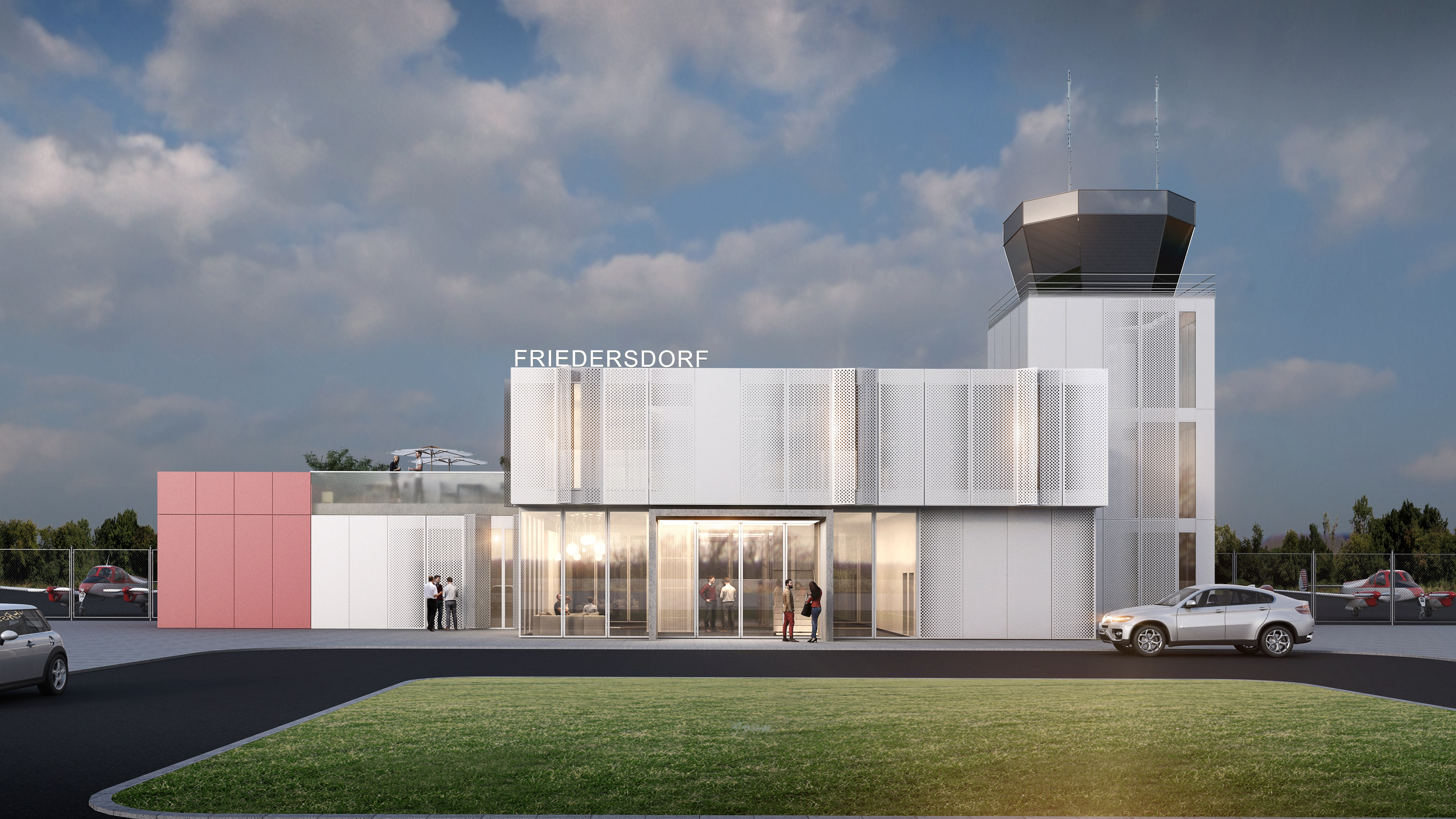
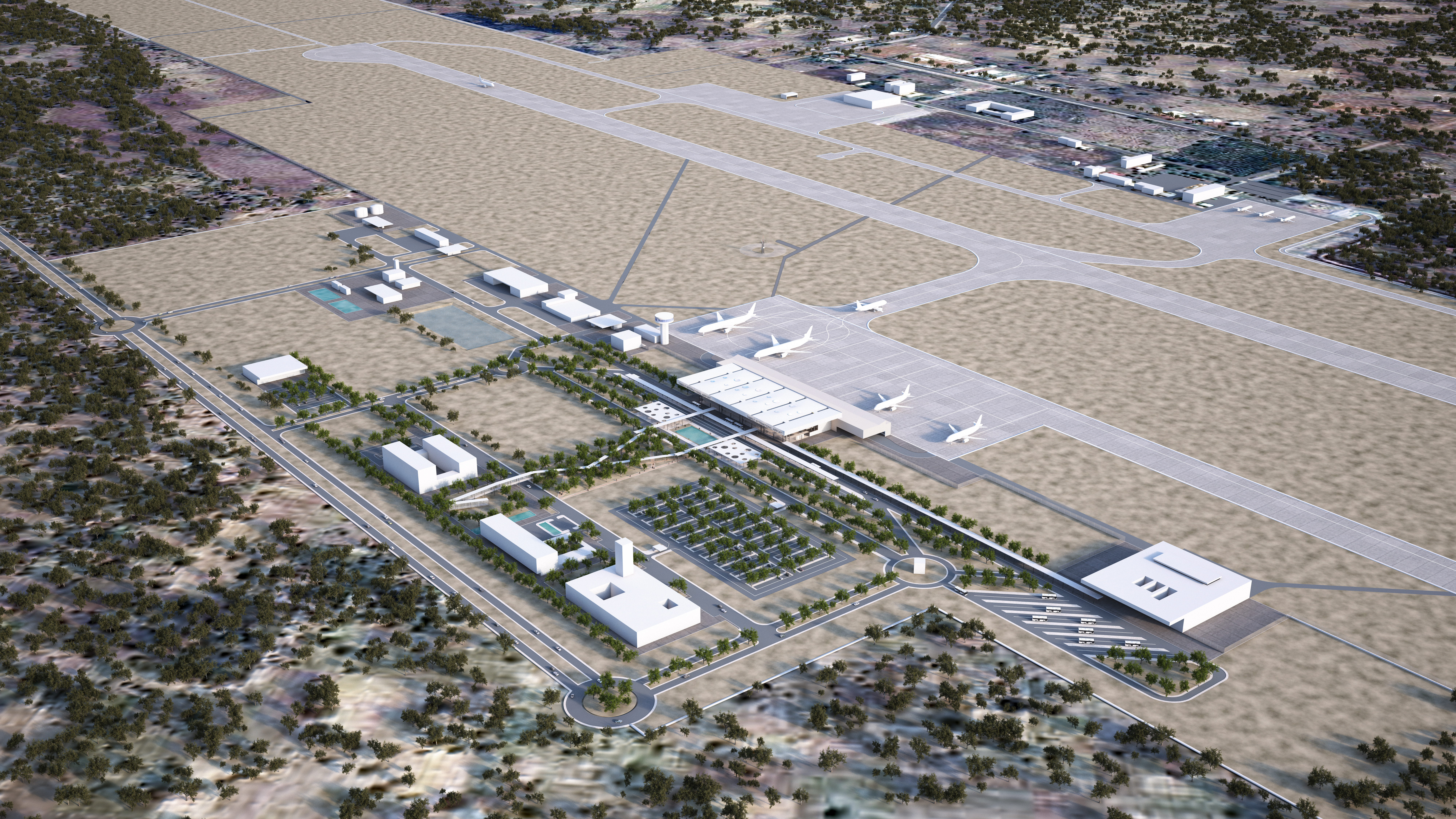
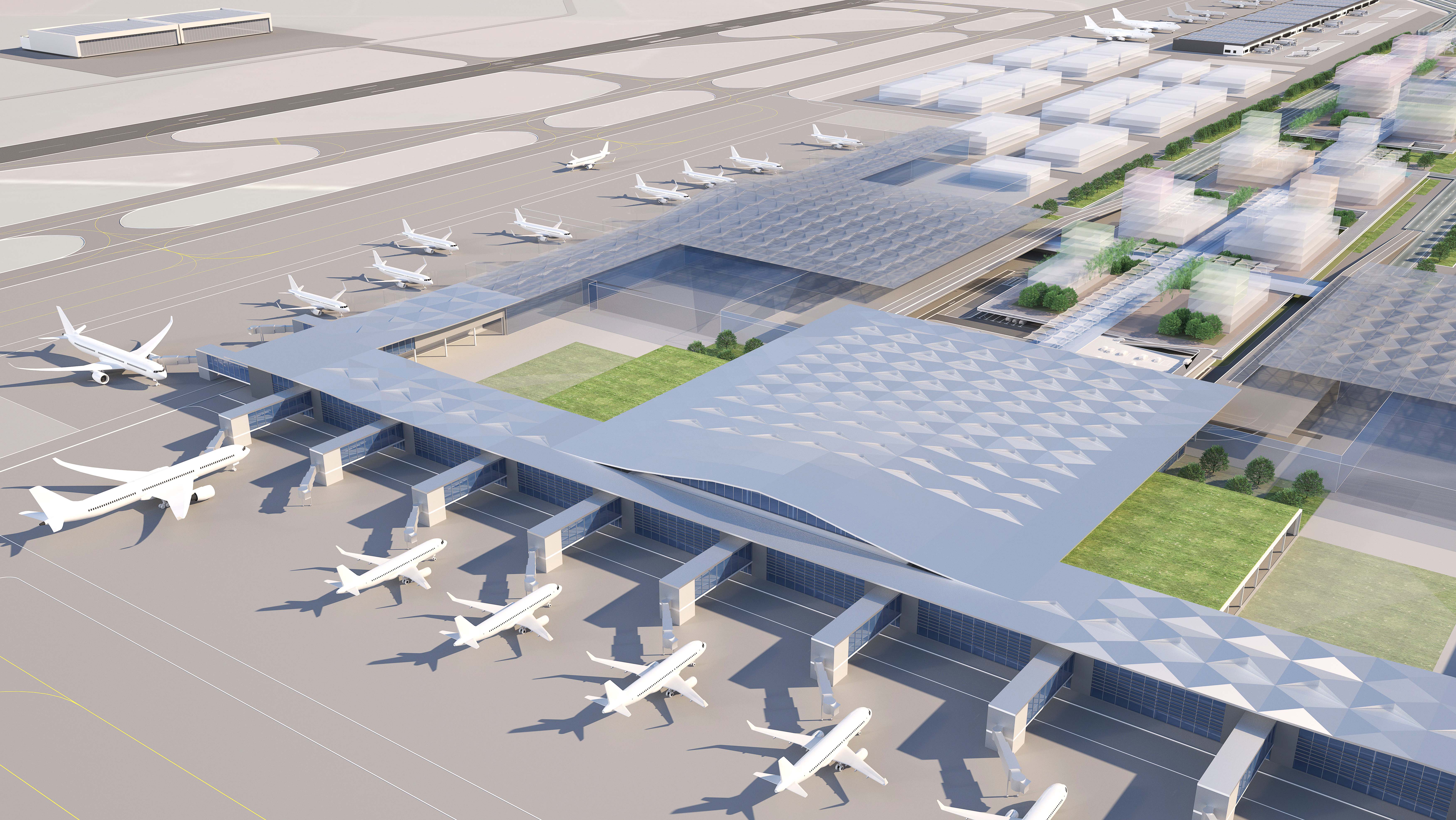
Airport Masterplan
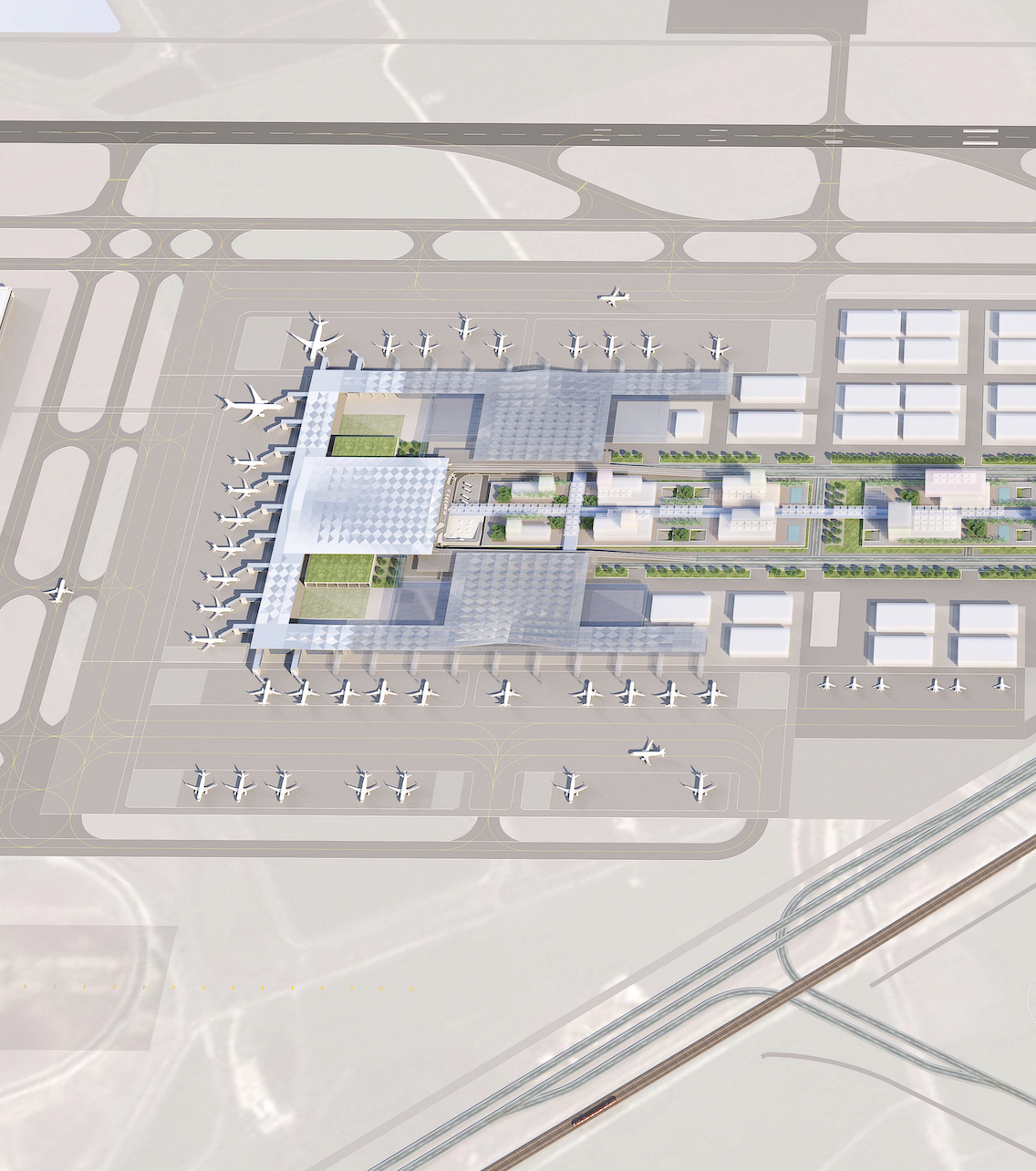
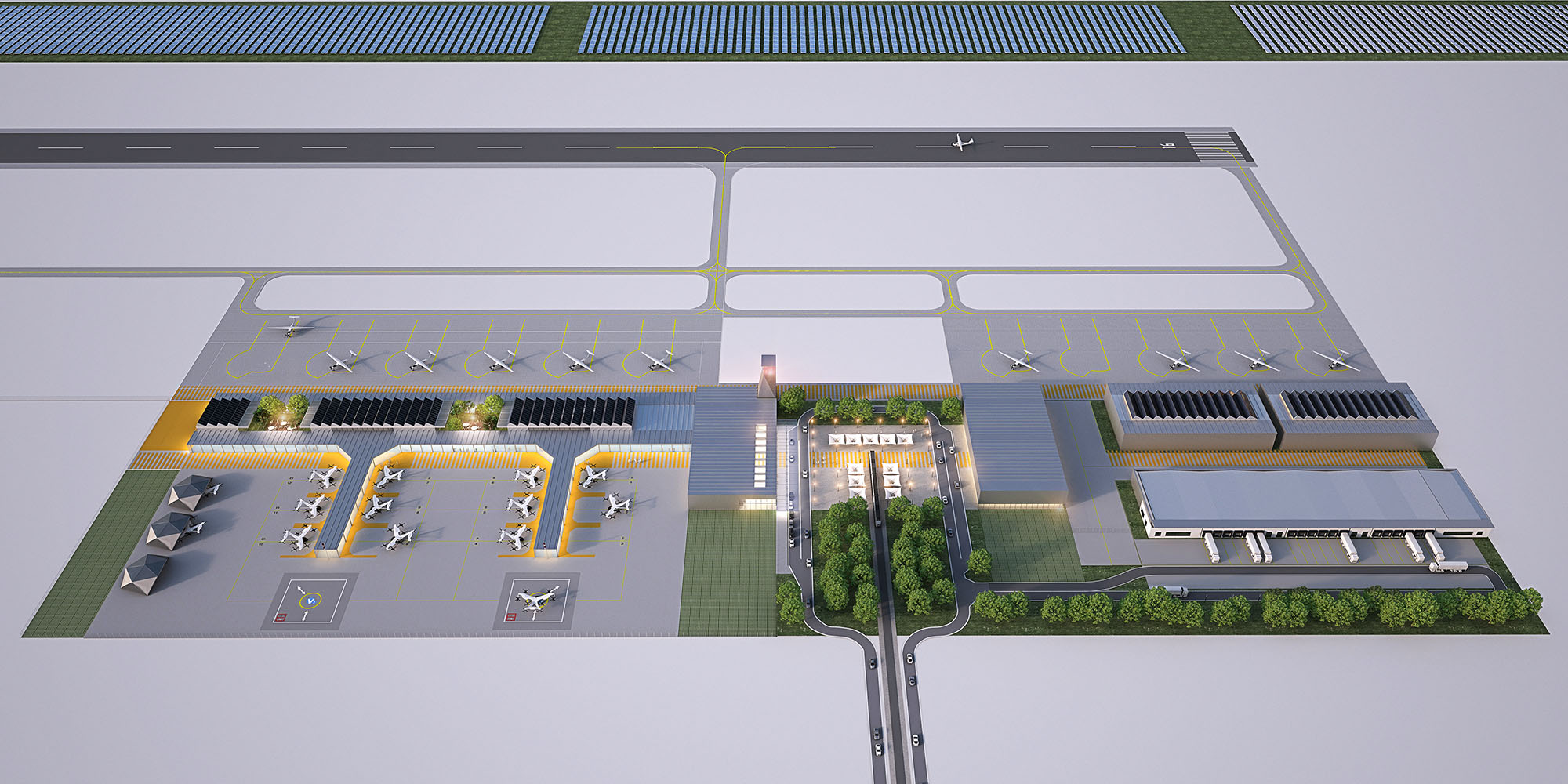
Airport masterplanning establishes the strategic framework for how an airport can grow, adapt, and operate over time. It brings together aviation demand, operational requirements, land use, access, infrastructure, and commercial ambitions within one integrated spatial vision.
Rather than defining a rigid end-state, the process creates a flexible roadmap that can respond to changing technologies, market shifts, regulatory pressures, and evolving passenger expectations.
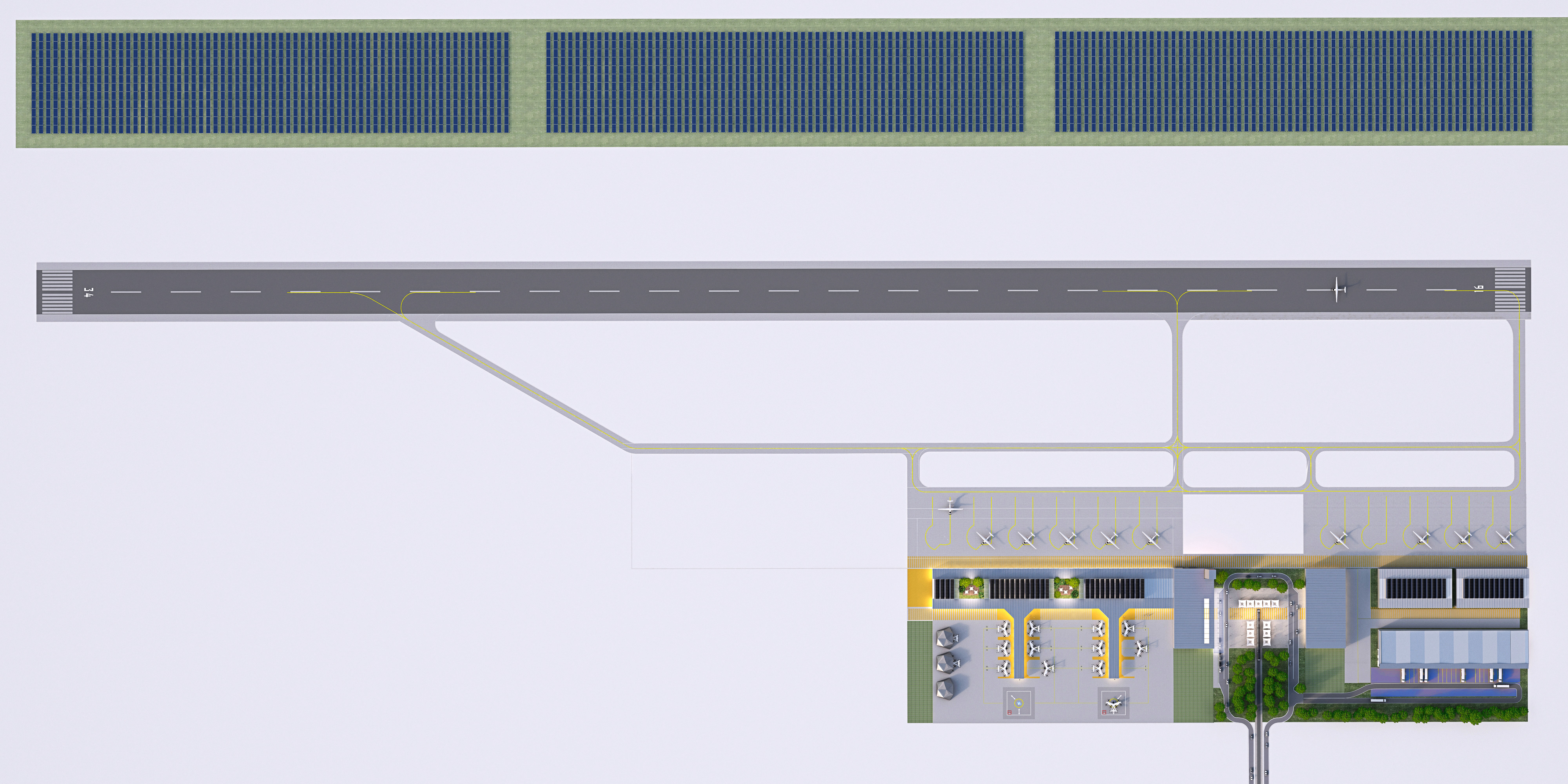
Good masterplanning aligns airside and landside development, ensuring that terminals, aprons, logistics, mobility systems, energy provision, and real estate potential work together as part of a coherent whole. It also helps structure investment and decision-making by identifying priorities, phasing options, and critical dependencies early on.
The result is a planning instrument that is both visionary and practical: a robust basis for long-term development, stakeholder coordination, and resilient airport growth, enabling airports to evolve step by step into more efficient, connected, and economically sustainable places for regions and communities.
Location: Berlin, Düsseldorf, Hamburg, Salzburg, Sofia, Lome, Essen-Mülheim, Memmingen, and others
Type: Airport Masterplan
Completed: every 5 years